
Reviewer Spotlight: Jai Yu
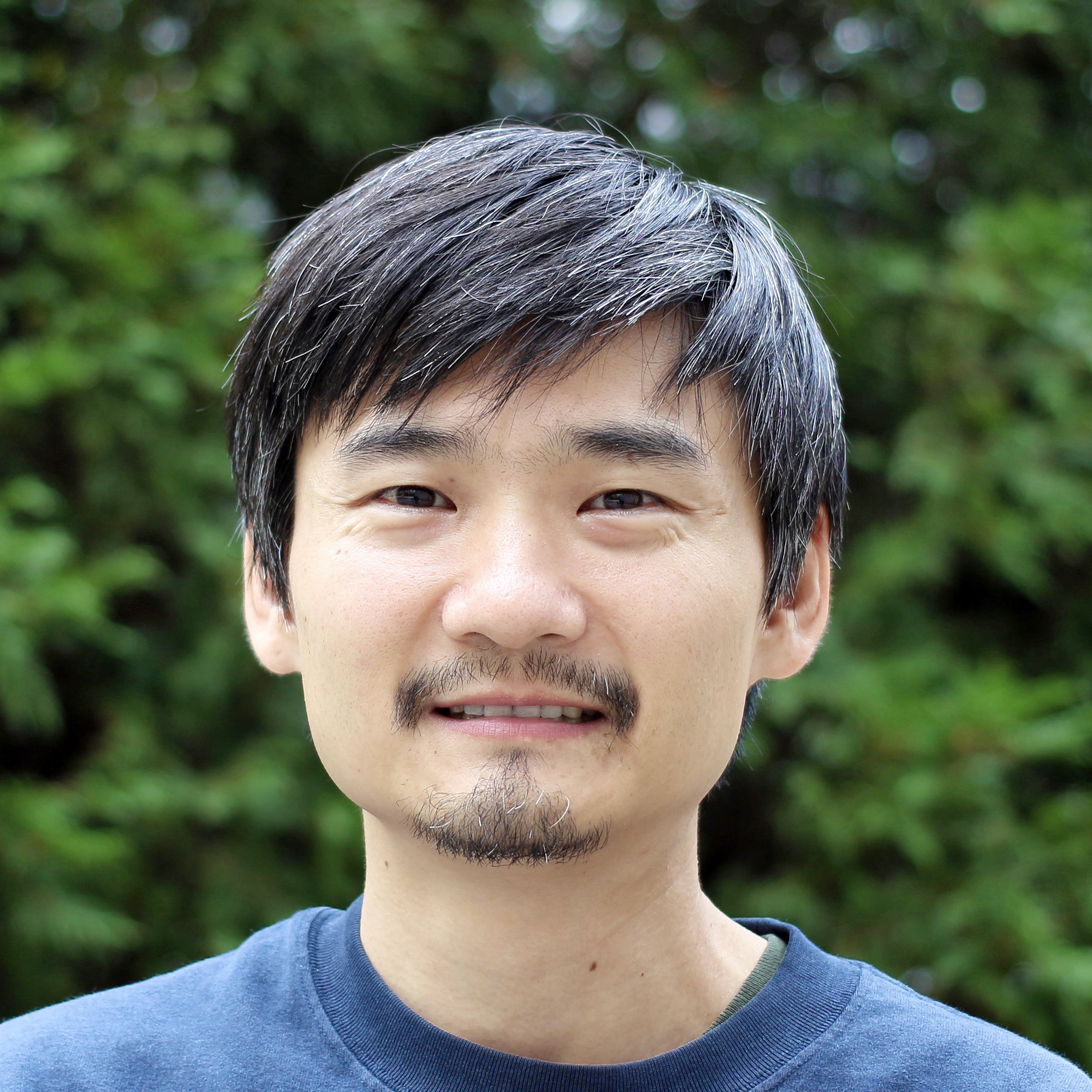
The quality of eNeuro depends on the effort that is generously contributed by our reviewers, who lend their expertise and time helping to ensure we publish great science. This Reviewer Recognition series introduces the research of selected reviewers, as well as their strategies for approaching peer review of a paper. Dr. Jai Yu is currently an assistant professor at University of Chicago in the Department of Psychology and Institute for Mind and Biology. Yu’s research focuses on understanding how distributed brain networks support cognition.
“Reviewing manuscripts puts you at the forefront of progress since the results are hot off the press and often won't be in print for a while.”
Tell us about your work.
My lab is interested in understanding how distributed brain networks support cognition, with a focus on of subsecond timescale coordination between brain regions.
Any exciting recent findings you'd like to share?
We recently found interesting frequency dynamics in hippocampal–neocortical networks that could play an important role in learning.
How did you become interested in this line of research?
The brain is one giant network of neurons. I am amazed at how it functions as one coherent organ despite the diversity in activity patterns and cognitive correlates. The question that fascinates me is how fast timescale fluctuations in neural activity across distant brain regions are coordinated and how it relates to cognition. We think rhythmic oscillations could serve a role in this process. Brain oscillations occur at different frequencies, but the function of β oscillations remains more of a mystery compared with others. We found neocortical β oscillations at a time when we didn't expect to find them, and we are trying to figure out what they do.
What do you do when not in the lab?
Mentoring students at all levels. Every summer I try to host high school students in my lab. They come with a load of curiosity and enthusiasm. I am amazed by what is being taught in high school these days.
“The review process at eNeuro is transparent, straightforward, and collaborative. I appreciate the opportunity for an internal discussion between reviewers before the reviews are finalized.”
What advice would you share with new reviewers?
Set aside more time than you think you need. Reviewing is best done when you are not in a hurry. When I review, I ask myself: "What kind of reviews do I want to receive for my own manuscript?" A good reviewer is there to help the authors improve their work. I typically read the manuscript several times, with each round having a different goal in mind. For example, one round focuses on ensuring the methods are rigorous, another focuses on the data and the presentation of the results, and lastly, whether the whole manuscript is coherent. I also try to zoom out and see the larger picture, whether there are ways to better refine the take-home message. Over the years of reviewing, I have noticed a shift in my focus towards the higher-level message of a manuscript, what are the authors really trying to communicate? Reviewing manuscripts puts you at the forefront of progress since the results are hot off the press and often won't be in print for a while. That is an exciting aspect of reviewing.
What is your experience as a reviewer with eNeuro's consultation review process?
The review process at eNeuro is transparent, straightforward, and collaborative. I appreciate the opportunity for an internal discussion between reviewers before the reviews are finalized. It is great to see differences in opinion, but also, more often than not, similarities. This is a way to calibrate each reviewer's perspective. My experience has been that academic editors are interested in helping the authors improve their manuscript and get it published.
Jai Yu, PhD
Assistant Professor
Department of Psychology and Institute for Mind and Biology University of Chicago
Lab website: https://voices.uchicago.edu/jaiyu/
Learn more:
eNeuro offers authors the choice to receive double-blind review. Additionally, the Reviewing Editor and two reviewers will consult to reach a consensus on the decision and to draft a synthesis of the reviewers' comments explaining the decision. These review syntheses are published alongside each accepted paper. Learn more about eNeuro's Review Process.
FOLLOW US
 RSS Feed
POPULAR POSTS
TAGS
CATEGORIES